Admin

Choose a a hip replacement surgeon in Raipur

How to Choose a Hip Replacement Surgeon: Raipur Guide

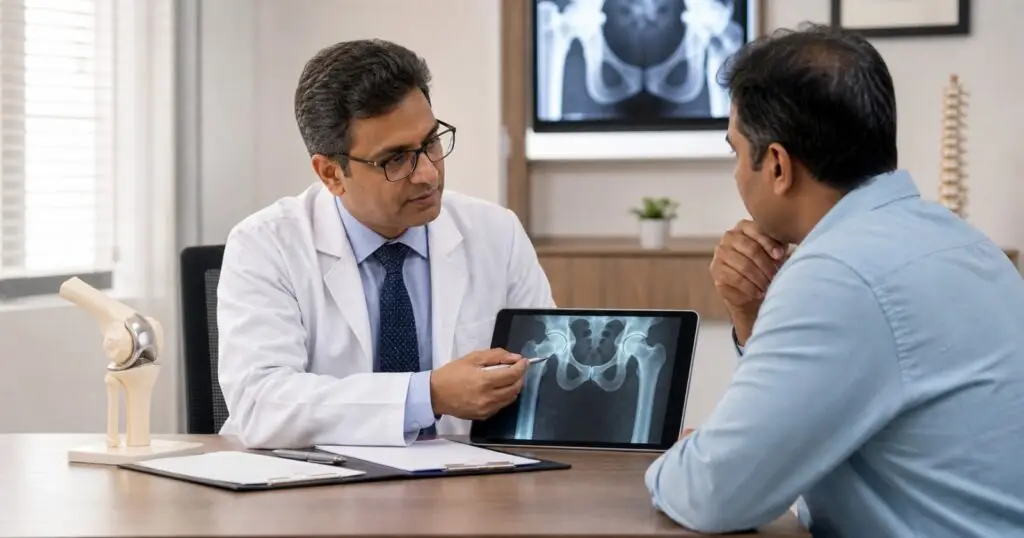
If you’ve been told you need a hip replacement, the hardest part often isn’t the surgery — it’s deciding who should perform it. Knowing how to choose a hip replacement surgeon is difficult when every profile you find seems to emphasise the same things: years of experience, modern technology, and long credential lists. It’s natural to feel unsure about what actually separates a good choice from a risky one.
This isn’t about picking the surgeon with the longest list of credentials. It’s about understanding what to ask, what to look for, and how closely a surgeon’s reasoning matches your own situation.

How to Choose a Hip Replacement Surgeon: Raipur Guide Read More »

1784517626 6a5d93fa8840e

What is Regenerative Medicine? A New Hope for Joint and Spine Pain

What Is Regenerative Medicine? A New Hope for Joint and Spine Pain What if your body could help heal itself? Joint pain, knee arthritis, back pain, neck pain, tennis elbow, frozen shoulder, and sports injuries affect millions of people every year. Traditionally, treatment options have included painkillers, physiotherapy, steroid injections, or surgery. While these treatments are appropriate in many situations, they may not always address the underlying cause of tissue damage. This is where Regenerative Medicine offers a promising approach. It focuses on supporting the body’s natural healing processes to repair damaged tissues and improve function, particularly in selected patients with early degenerative or sports-related conditions. Regenerative medicine is a modern branch of medicine that aims to stimulate the body’s natural healing mechanisms. Instead of simply masking pain, regenerative therapies are designed to encourage repair of injured or degenerated tissues, helping reduce pain and improve mobility in appropriately selected patients. In orthopaedics, regenerative medicine is commonly used for conditions involving joints, tendons, ligaments, muscles, and certain spine disorders. How Does Regenerative Medicine Work? Our body naturally releases growth factors and healing cells whenever an injury occurs. Regenerative therapies concentrate these natural healing components and deliver them precisely to the affected area under sterile conditions. The goals of treatment include: Reducing pain and inflammation Supporting tissue healing Improving joint function Enhancing mobility Delaying disease progression in selected cases Helping patients return to their daily activities Conditions That May Benefit From Regenerative Medicine Regenerative therapies may be considered for carefully selected patients with: Early knee osteoarthritis Early-stage hip osteoarthritis Shoulder pain and rotator cuff injuries Tennis elbow and golfer’s elbow Plantar fasciitis Ligament sprains Tendon injuries Sports injuries Certain cases of chronic back pain related to degenerative changes Some patients with disc-related pain after proper evaluation Not every patient is a candidate. A detailed clinical examination and imaging studies help determine whether regenerative treatment is appropriate. Common Regenerative Treatments 1. Platelet-Rich Plasma (PRP) PRP is prepared from the patient’s own blood. Platelets contain growth factors that may support healing of injured tissues. PRP is commonly used for: Tendon injuries Sports injuries Early arthritis 2. Growth Factor Concentrate (GFC) GFC is an advanced form of regenerative therapy that provides a concentrated preparation of growth factors. It is often considered in selected patients with early arthritis and chronic tendon disorders. 3. Prolotherapy Prolotherapy involves injecting a solution into weakened ligaments or tendons to stimulate the body’s natural healing response. It may be useful in carefully selected cases of chronic musculoskeletal pain. 4. Cell-Based Regenerative Therapies Certain specialized regenerative treatments involving cells are being studied and used for selected orthopaedic conditions. Their role depends on the specific diagnosis, current scientific evidence, and applicable local regulatory guidelines. What Are the Benefits? Depending on the condition and individual patient, regenerative medicine may offer: A non-surgical treatment option A minimally invasive procedure Short treatment time Faster return to routine activities compared with major surgery in selected cases Reduced dependence on pain medications Improvement in pain and function in suitable patients Potential to delay surgery in selected cases Results vary from person to person and depend on factors such as age, severity of disease, lifestyle, and adherence to rehabilitation. Is Regenerative Medicine a Replacement for Surgery? No. Regenerative medicine is not a replacement for surgery in every patient. Patients with advanced arthritis, severe deformity, complete ligament tears, or major structural damage may still require surgical treatment, including joint replacement or reconstructive procedures. The key is choosing the right treatment for the right patient at the right time. What Happens During the Procedure? Most regenerative procedures are performed as outpatient treatments. Typical steps include: Clinical evaluation and diagnosis Preparation of the regenerative injection, when applicable Sterile injection into the affected area, often using image guidance when needed Short observation period Home care instructions and a personalized rehabilitation plan Most patients return home the same day. Who Should Consider Regenerative Medicine? You may benefit from an evaluation if you: Have persistent joint pain Have early arthritis Want to avoid or delay surgery, if medically appropriate Have sports-related injuries Continue to have pain despite physiotherapy or medications Wish to explore evidence-based, minimally invasive treatment options Why Early Treatment Matters Many patients ignore joint pain until it becomes severe. Early evaluation allows more treatment options and may improve outcomes. When intervention is provided at the appropriate stage, it may help preserve joint function and maintain an active lifestyle. Expert Care at Shri Shankara Hospital At Shri Shankara Hospital, regenerative medicine is integrated with a comprehensive orthopaedic approach. Every patient undergoes a detailed assessment to identify the root cause of pain before a personalized treatment plan is created. Depending on the diagnosis, treatment may include: Regenerative therapies Pain management procedures Physiotherapy and rehabilitation Lifestyle modification Robotic joint replacement when surgery becomes necessary Our goal is always to recommend the most appropriate, evidence-based treatment—not simply the most aggressive one. About Dr. Sachin Mall Dr. Sachin Mall, MS, MCh, FSS, FIPM, FIJR, is an Orthopaedic Surgeon with 18 years of experience in joint preservation, regenerative medicine, pain management, robotic joint replacement, and spine care. He believes in a patient-centered approach, combining modern technology with evidence-based treatment to help patients reduce pain, improve mobility, and regain an active lifestyle. Book Your Consultation If knee pain, back pain, shoulder pain, or sports injuries are affecting your quality of life, early evaluation can make a significant difference. Consult Dr. Sachin Mall at Shri Shankara Hospital to learn whether regenerative medicine is the right option for you. Call: +91 92851 22111

What is Regenerative Medicine? A New Hope for Joint and Spine Pain Read More »

1784518229 6a5d9655194dd

Can Knee Arthritis Be Treated Without Surgery?

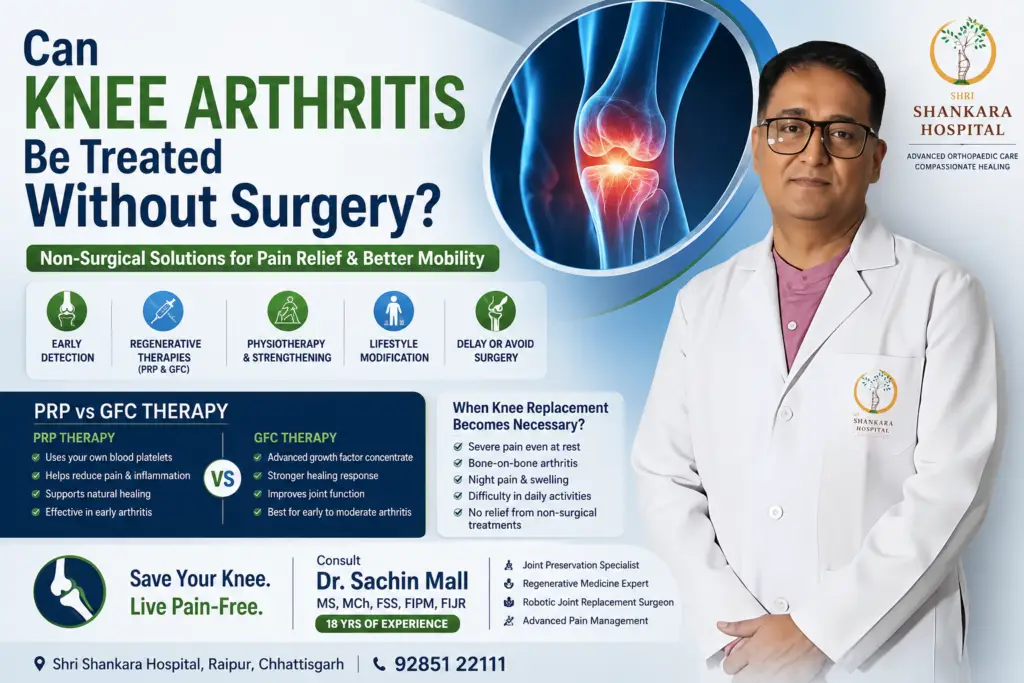
Can Knee Arthritis Be Treated Without Surgery? A Complete Guide by Dr. Sachin Mall Knee pain is one of the most common reasons people visit an orthopaedic surgeon. For many patients, the biggest fear is hearing the words, “You need knee replacement surgery.” The good news is that not every patient with knee arthritis needs surgery. If arthritis is diagnosed in its early stages, several evidence-based non-surgical treatments can help reduce pain, improve mobility, and maintain an active lifestyle. At Shri Shankara Hospital, Dr. Sachin Mall follows a joint preservation approach, helping suitable patients manage knee arthritis with personalized non-surgical treatments before considering surgery. What Is Knee Arthritis? Knee arthritis, also known as osteoarthritis, is a condition in which the protective cartilage covering the ends of the bones gradually wears away. As the cartilage becomes thinner, the bones begin rubbing against each other, which can lead to: Knee pain Swelling Morning stiffness Difficulty climbing stairs Pain while walking Reduced flexibility Crackling or grinding sounds Difficulty sitting cross-legged or squatting Arthritis usually develops slowly over several years. What Causes Knee Arthritis? Several factors can increase the risk of developing knee arthritis, including: Increasing age Obesity Previous knee injury Sports injuries Family history Vitamin D deficiency Weak muscles around the knee Sedentary lifestyle Bow legs or knock knees Can Knee Arthritis Be Treated Without Surgery? Yes—but only in carefully selected patients. Patients with early-stage osteoarthritis, including Grade 1, Grade 2, and some Grade 3 cases, may benefit from non-surgical treatments that help reduce pain and improve function. The aim is not simply to relieve pain temporarily, but to improve joint function, strengthen supporting muscles, and help patients remain active. Understanding the Stages of Knee Arthritis Grade 1 — Very Mild Arthritis Very mild cartilage wear Occasional pain Minimal swelling Usually managed without surgery Grade 2 — Mild Arthritis Mild cartilage damage Pain during walking or climbing stairs Early stiffness Often suitable for conservative treatment Early Grade 3 — Moderate Arthritis Moderate cartilage loss Frequent pain Reduced walking distance Some patients may still benefit from regenerative therapies, depending on clinical evaluation Grade 4 — Severe Arthritis Severe cartilage loss Bone-on-bone arthritis Significant deformity Non-surgical treatments usually provide only temporary relief Knee replacement may be the most effective long-term option for some patients Non-Surgical Treatment Options Treatment is individualized based on factors such as age, activity level, X-ray and MRI findings, body weight, and overall health. Treatment options may include: Lifestyle modification Weight reduction Physiotherapy Muscle-strengthening exercises Knee braces Activity modification Nutritional advice Pain-management medications, when appropriate Regenerative medicine therapies PRP Therapy for Knee Arthritis Platelet-Rich Plasma (PRP) is prepared using the patient’s own blood. Platelets contain natural growth factors that may support tissue healing and help reduce inflammation. PRP may be considered for: Early arthritis Sports injuries Tendon injuries Persistent knee pain in selected patients Potential Benefits of PRP Minimally invasive Uses the patient’s own blood Short procedure May improve pain and function in appropriate patients Can be combined with physiotherapy GFC Therapy for Knee Arthritis Growth Factor Concentrate (GFC) is an advanced regenerative treatment that provides a concentrated preparation of growth factors obtained from the patient’s blood. The objective is to support the body’s natural healing response and improve symptoms in selected patients with early degenerative joint disease. Potential Benefits of GFC Higher concentration of growth factors Outpatient procedure Minimal downtime May help improve mobility and reduce pain in suitable patients PRP vs GFC Therapy Feature PRP GFC Source Patient’s own blood Patient’s own blood Growth Factors Concentrated platelets Purified growth factor concentrate Procedure Outpatient Outpatient Recovery Usually quick Usually quick Best Suited For Early arthritis, tendon injuries Early arthritis, selected chronic joint conditions The choice between PRP and GFC depends on the patient’s condition, examination findings, imaging, and treatment goals. Your orthopaedic surgeon will recommend the most appropriate option after a detailed evaluation. Benefits of Non-Surgical Treatment Patients with early knee arthritis may experience: Reduced pain Improved mobility Better quality of life Improved walking ability Potential delay in disease progression in some cases Reduced dependence on pain medications Ability to continue daily activities with greater comfort Results vary between individuals, and no treatment can guarantee complete cartilage regeneration or permanently stop arthritis progression. When Does Knee Replacement Become Necessary? Despite advances in regenerative medicine, knee replacement remains an effective treatment for advanced knee arthritis when conservative treatments are no longer providing adequate relief. Surgery may be recommended when: Bone-on-bone arthritis is present Pain occurs even at rest Night pain affects sleep Walking becomes severely limited Daily activities become difficult Significant deformity develops Multiple non-surgical treatments fail to provide adequate relief Modern knee replacement surgery can provide significant pain relief and help many patients return to an active lifestyle. How Dr. Sachin Mall Decides the Right Treatment At Shri Shankara Hospital, every patient undergoes a comprehensive assessment before treatment recommendations are made. This may include: Clinical examination X-rays MRI, when required Assessment of muscle strength Evaluation of joint alignment Lifestyle and activity analysis Discussion of patient expectations Based on these findings, a personalized treatment plan is created. The goal is always to preserve the natural joint whenever medically appropriate and recommend surgery when it offers the best long-term outcome. Why Choose Dr. Sachin Mall? Dr. Sachin Mall, MS, MCh, FSS, FIPM, FIJR, is an Orthopaedic Surgeon with 18 years of experience in: Joint preservation Regenerative medicine Pain management Robotic joint replacement Complex knee disorders At Shri Shankara Hospital, he combines evidence-based regenerative therapies, advanced diagnostics, rehabilitation, and robotic joint replacement to provide individualized care for every patient. Frequently Asked Questions Is PRP better than GFC? Both treatments have specific indications. The best choice depends on your condition, examination findings, and your orthopaedic surgeon’s evaluation. Can PRP cure arthritis? PRP is not considered a cure for arthritis. In selected patients, it may help reduce pain and improve function. Can GFC regenerate cartilage? Current evidence does not support complete cartilage regeneration in advanced arthritis. GFC may help improve symptoms and function in carefully

Can Knee Arthritis Be Treated Without Surgery? Read More »

1784521130 6a5da1aa57623

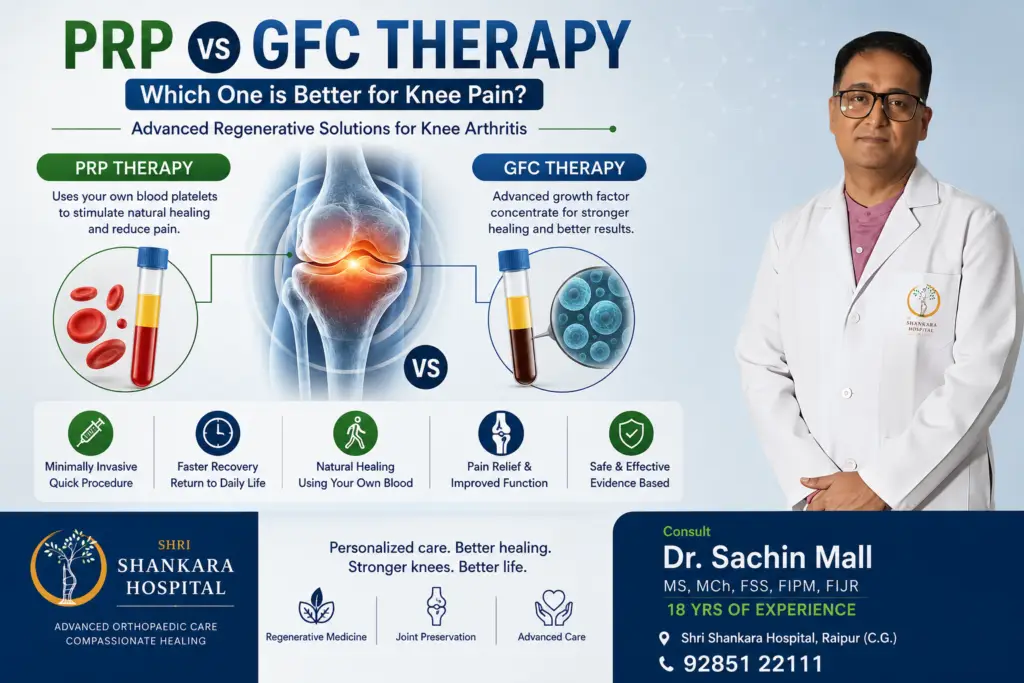
PRP vs GFC Therapy: Which One is Better for Knee Pain?

PRP vs GFC Therapy: Which One Is Better for Knee Pain? A Complete Patient Guide by Dr. Sachin Mall Knee pain can make even simple activities like walking, climbing stairs, or getting up from a chair difficult. Many patients with early knee arthritis want to avoid surgery and often ask: “Should I choose PRP or GFC therapy?” Both Platelet-Rich Plasma (PRP) and Growth Factor Concentrate (GFC) are regenerative medicine treatments that use components derived from your own blood. While both therapies aim to reduce pain and improve function, they are not identical. At Shri Shankara Hospital, Raipur, Dr. Sachin Mall (MS, MCh, FSS, FIPM, FIJR) offers personalized regenerative treatment plans based on each patient’s condition rather than a one-size-fits-all approach. What Is PRP Therapy? Platelet-Rich Plasma (PRP) is prepared from a small sample of the patient’s own blood. The blood is processed to concentrate platelets, which contain natural growth factors involved in tissue repair and healing. PRP is commonly used for: Early knee osteoarthritis Tendon injuries Ligament injuries Sports injuries Tennis elbow Plantar fasciitis The aim of PRP treatment is to help reduce pain and inflammation and improve joint function in appropriately selected patients. What Is GFC Therapy? Growth Factor Concentrate (GFC) is an advanced regenerative treatment that also uses the patient’s own blood. Unlike conventional PRP, GFC focuses on isolating and concentrating specific growth factors released from platelets. These growth factors are then injected into the affected joint under sterile conditions. GFC may be considered for: Early knee arthritis Chronic knee pain Degenerative joint conditions Selected tendon disorders Suitable For PRP GFC Early arthritis Early arthritis Sports injuries Selected chronic degenerative conditions Tendon problems Selected tendon disorders Both treatments are minimally invasive and should be performed by trained professionals using appropriate sterile techniques. PRP vs GFC: What Is the Difference? Although both treatments use components derived from the patient’s own blood, their preparation and composition differ. Feature PRP GFC Source Patient’s own blood Patient’s own blood Main Component Concentrated platelets and associated growth factors Concentrated growth factors Preparation Blood is processed to concentrate platelets Blood is processed to prepare a concentrated growth-factor product Procedure Minimally invasive injection Minimally invasive injection Recovery Generally quick Generally quick Potential Uses Early arthritis, tendon and sports injuries Early arthritis and selected chronic degenerative conditions The choice between PRP and GFC should be based on the patient’s diagnosis, clinical examination, imaging findings, medical history, and treatment goals. How Is the Procedure Performed? The procedure is generally completed within 30–60 minutes. Step 1: Clinical Evaluation Dr. Sachin Mall examines your knee, reviews your X-rays or MRI, if required, and determines whether regenerative therapy is appropriate. Step 2: Blood Collection A small amount of blood is drawn from your arm. Step 3: Preparation The blood is processed using specialized equipment to prepare either PRP or GFC. Step 4: Injection The prepared solution is injected into the affected knee using a sterile technique. In some cases, image guidance may be used to improve injection accuracy. Step 5: Recovery Patients are observed briefly and usually return home the same day. Recovery After PRP or GFC Therapy Recovery is generally quick, although individual recovery times can vary. Most patients may be able to: Walk on the same day Resume office work within 24–48 hours, depending on their condition and doctor’s advice Gradually return to exercise based on medical advice Your doctor may recommend: Avoiding strenuous activity for a few days Ice application, if needed A structured physiotherapy program Muscle-strengthening exercises Weight management Following an individualized rehabilitation plan Following the recommended rehabilitation plan is important for achieving the best possible outcome. Success Rates: What Can You Expect? Both PRP and GFC have shown promising results in selected patients with early knee osteoarthritis. Studies suggest that these treatments may help improve pain and function for some individuals. However, results vary depending on factors such as: Age Severity of arthritis Body weight Activity level Overall health Rehabilitation and lifestyle factors Patients may experience: Reduced knee pain Improved mobility Better walking tolerance Less stiffness Improved quality of life It is important to understand that neither PRP nor GFC is considered a cure for arthritis, and these treatments do not reliably regenerate lost cartilage in advanced disease. Who Is an Ideal Candidate? You may be considered for regenerative treatment if you have: Early-stage knee osteoarthritis, such as Grade 1 or Grade 2 Selected cases of early Grade 3 arthritis Mild to moderate knee pain An active lifestyle with a desire to remain mobile Persistent symptoms despite physiotherapy or medications A preference for minimally invasive treatment A detailed clinical evaluation is necessary to determine whether PRP or GFC is appropriate for you. Who May Not Benefit? Regenerative therapy may be less effective or may not be appropriate if you have: Advanced Grade 4 bone-on-bone arthritis Severe knee deformity Complete ligament rupture requiring surgery Active joint infection Certain blood disorders or other medical conditions A detailed assessment is essential before deciding on treatment. Which Is Better: PRP or GFC? There is no single treatment that is best for every patient. The right choice depends on: Your age Severity of arthritis Clinical examination Imaging findings Activity level Medical history Treatment goals At Shri Shankara Hospital, Dr. Sachin Mall carefully evaluates each patient before recommending the most appropriate regenerative therapy. The goal is to choose the treatment that best matches the patient’s individual condition rather than following a one-size-fits-all approach. Why Choose Shri Shankara Hospital, Raipur? At Shri Shankara Hospital, we believe in a Joint Preservation First approach. Our comprehensive orthopaedic care may include: Regenerative medicine PRP therapy GFC therapy Advanced pain management Physiotherapy and rehabilitation Robotic joint replacement when surgery becomes necessary The goal is to provide personalized, evidence-based care that helps patients regain mobility and improve their quality of life. About Dr. Sachin Mall Dr. Sachin Mall, MS, MCh, FSS, FIPM, FIJR, is an Orthopaedic Surgeon with 18 years of experience in: Regenerative medicine Joint preservation Pain management Robotic joint replacement Sports injury care He

PRP vs GFC Therapy: Which One is Better for Knee Pain? Read More »

1784776870 6a6188a6ba4da

Shri Shankara Hospital in Raipur: Redefining Orthopaedic Excellence

Introduction In the bustling city of Raipur, a beacon of hope and healing stands tall in the healthcare landscape—Shri Shankara Hospital. Renowned for its exceptional orthopaedic services, this hospital has swiftly become a household name among those seeking reliable and innovative medical solutions. With four years of proven market leadership, Shri Shankara Hospital is not just a healthcare facility; it is a symbol of trust and excellence. Patients walk through its doors with confidence, knowing they will receive top-tier care from a team of dedicated professionals. This establishment offers a sanctuary where modern medical practices meet compassionate care, ensuring every patient feels valued and understood. Our Premier Services & Solutions Orthopaedic Surgery in Raipur Our orthopaedic surgeons are highly skilled in diagnosing and treating musculoskeletal issues. From fractures to ligament tears, we offer personalized treatment plans that restore mobility and enhance quality of life. Joint Replacement Surgery Specializing in joint replacement, our surgeons employ cutting-edge techniques to replace worn-out joints with high-quality prosthetics. This service significantly reduces pain and improves joint function, allowing patients to return to their daily activities with ease. Robotic Knee Replacement Hospital in Raipur As pioneers in robotic knee replacement surgery, we leverage advanced robotic systems to perform precise and minimally invasive procedures. This innovative approach results in faster recovery times and improved surgical outcomes. Hip Replacement Surgery Our hip replacement specialists utilize the latest surgical techniques to ensure successful hip replacements. Patients experience reduced discomfort and increased mobility, facilitating a quicker return to normalcy. Knee Replacement Surgery With a focus on patient-centered care, our knee replacement surgeries are tailored to meet individual needs. We ensure minimal downtime and maximum recovery, helping patients regain their independence swiftly. The Shri Shankara Hospital Difference: A Closer Look One of the crown jewels of Shri Shankara Hospital is our state-of-the-art Robotic Knee Replacement service. This revolutionary procedure is redefining the orthopaedic landscape in Raipur, offering unparalleled precision and patient satisfaction. The incorporation of robotic technology allows our surgeons to perform knee replacements with exceptional accuracy. But what sets us apart is not just the technology itself, but how we integrate it into our patient care philosophy. Robotic knee replacement surgery at Shri Shankara Hospital is a meticulously planned and executed process. Prior to the surgery, our team conducts an exhaustive pre-operative analysis using 3D imaging. This detailed mapping of the knee joint aids in crafting a highly personalized surgical plan. During the procedure, the robotic arm assists our surgeons in making precise cuts and placements, minimizing trauma to surrounding tissues. This precision not only enhances the longevity of the implant but also significantly reduces post-operative pain and discomfort. Our commitment to patient care extends beyond the operating room. We understand that surgery can be a daunting experience, and we strive to provide comprehensive support throughout the recovery journey. Our post-operative care includes personalized rehabilitation programs and regular follow-ups to monitor progress. This holistic approach ensures a smoother, faster recovery and empowers patients to regain their active lifestyles. Moreover, by implementing robotic technology, we have reduced the margin of error significantly, leading to better outcomes. Patients experience shorter hospital stays, reduced scarring, and quicker rehabilitation. The success of our robotic knee replacement surgeries is reflected in the smiles of our patients, who appreciate the seamless blend of technology and human touch. At Shri Shankara Hospital, we are not just providing a service; we are transforming lives through innovation and compassion. Why Choose Us? Your Partner in Excellence Choosing Shri Shankara Hospital means choosing excellence. Our four years of market leadership are a testament to our unwavering dedication to quality healthcare. Unlike many of our competitors, we combine cutting-edge technology with a personalized touch, ensuring each patient receives the attention they deserve. Our team of experienced surgeons and medical staff are not only experts in their fields but also passionate caregivers who prioritize patient welfare above all. Our reputation for excellence is bolstered by our innovative use of technology, such as robotic surgeries, which sets us apart from other healthcare providers in the region. We believe that healthcare should be accessible and efficient, and our streamlined processes reflect this philosophy. Every procedure is meticulously planned, reducing wait times and enhancing patient experience. Additionally, our patient testimonials speak volumes about the compassionate care and exceptional outcomes we deliver. We are not just a hospital; we are a community of professionals committed to making a difference in the lives of our patients. When you choose Shri Shankara Hospital, you are choosing a partner dedicated to your health and well-being. Take the Next Step Today Your journey to better health begins with a simple step—choosing the right healthcare partner. At Shri Shankara Hospital, we are ready to guide you towards a pain-free, click here active life. Our team of experts is here to answer your questions and provide the support you need to make informed decisions about your health. Don’t wait any longer to experience the exceptional care and innovative solutions we offer. Contact us today to schedule a consultation and take the first step towards a healthier future. Phone: 9285122111 Website: www.drsachinmall.in Email: contactshankarahospital@gmail.com Experience the difference with Shri Shankara Hospital—where your health is our mission.

Shri Shankara Hospital in Raipur: Redefining Orthopaedic Excellence Read More »

1785309703 6a69aa07d1326

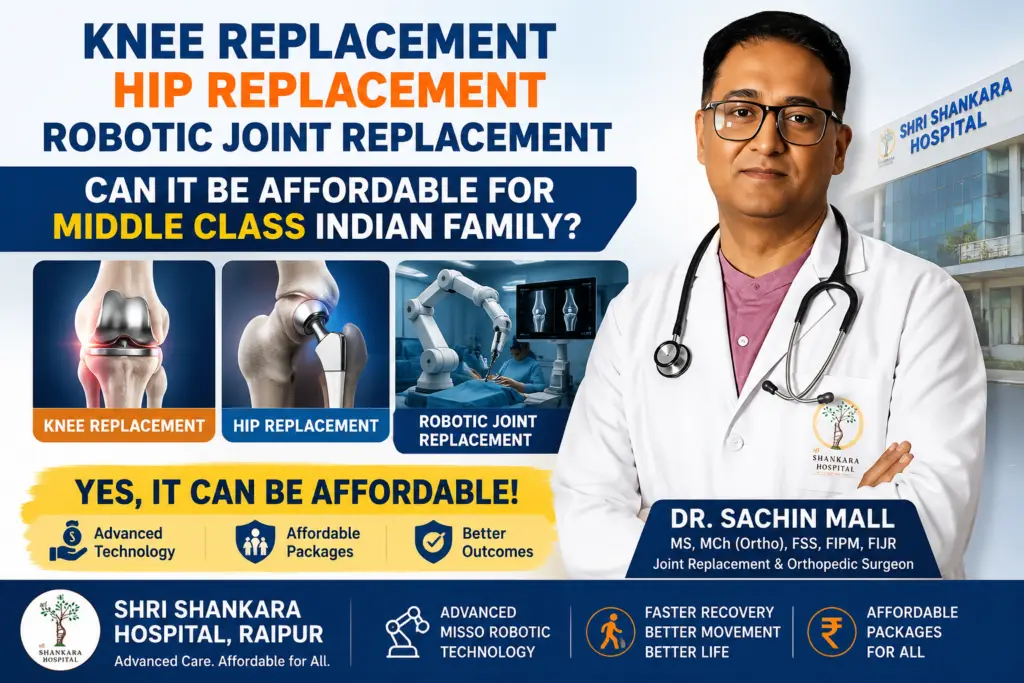
Can Knee Replacement, Hip Replacement & Robotic Joint Replacement Be Affordable for a Middle-Class Indian Family?

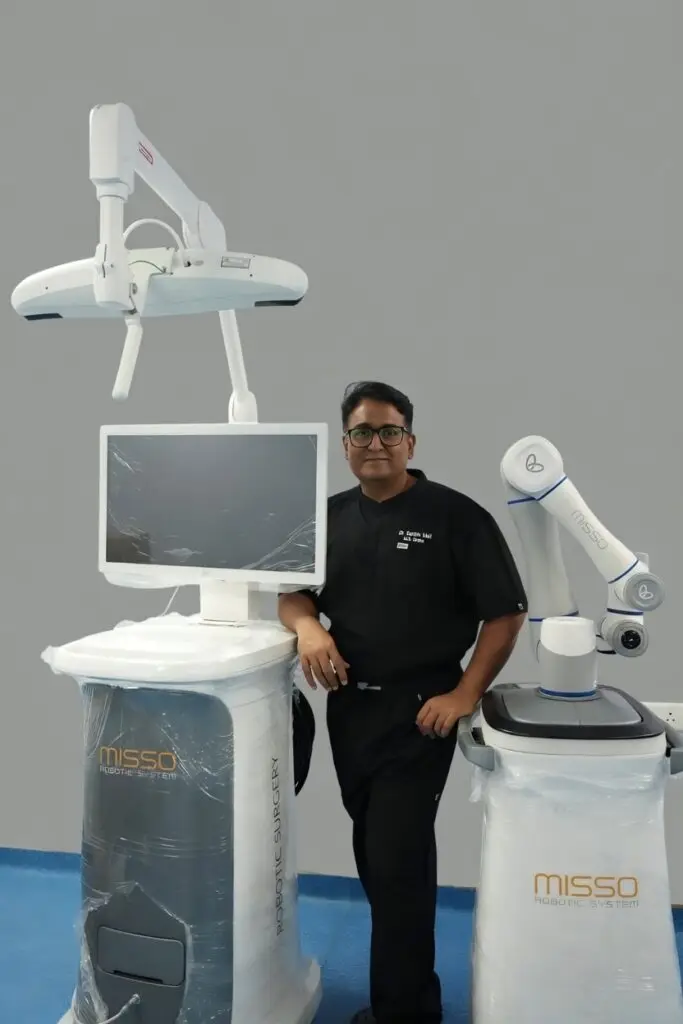
Knee Pain Should Not Take Away Your Independence For many middle-class Indian families, the thought of knee replacement surgery or hip replacement surgery often brings one immediate concern—“Will we be able to afford it?” The good news is yes. With advances in surgical techniques, better implants, insurance coverage, government schemes, and affordable treatment packages, joint replacement surgery has become much more accessible than it was a decade ago. At Shri Shankara Hospital, Raipur, our mission is to make world-class joint replacement surgery available to every deserving patient without compromising on quality. Why Do Many People Delay Knee or Hip Replacement? Many patients continue living with severe pain because of common myths such as:   Knee replacement is too expensive. Robotic surgery is only for wealthy people. Recovery takes months. Surgery is risky in old age. I can manage with medicines forever. Unfortunately, delaying surgery often leads to: Progressive joint damage Muscle weakness Bow legs or deformity Reduced mobility Poor quality of life Early intervention often results in better recovery and better long-term outcomes. Is Knee Replacement Affordable Today? The answer is Yes. Today, several factors have made Total Knee Replacement (TKR) much more affordable: Better availability of high-quality implants Standardized surgical protocols Health insurance coverage Government health schemes Affordable hospital packages Many patients are surprised to learn that the cost of years of painkillers, injections, physiotherapy, repeated doctor visits, and inability to work may exceed the cost of definitive surgery. What About Hip Replacement? Hip replacement is one of the most successful surgeries in modern orthopaedics. It is commonly recommended for: Advanced hip arthritis Avascular Necrosis (AVN) Hip fractures Rheumatoid arthritis Failed previous surgeries Most patients experience: Significant pain relief Improved walking Better sleep Return to daily activities Improved quality of life Is Robotic Joint Replacement Very Expensive? This is probably the biggest misconception. Many people believe robotic surgery costs several lakhs more. In reality, advances in technology have made robotic knee replacement much more affordable than before. At Shri Shankara Hospital, Raipur, we use advanced MISSO Robotic Technology to improve precision while keeping treatment affordable for patients. Benefits include: Better implant positioning Greater surgical precision Improved limb alignment Minimal soft tissue damage Faster rehabilitation Better long-term implant performance Why Precision Matters Every knee is different. Robotic-assisted joint replacement helps surgeons create a customized surgical plan based on the patient’s anatomy rather than relying only on standard instruments. This may help achieve: Better balance of the joint Improved movement Better functional outcomes Enhanced patient satisfaction Can Middle-Class Families Really Afford It? Absolutely. Today’s patients can benefit from: Affordable treatment packages Cashless insurance facilities (where applicable) Government-supported health schemes for eligible patients Financial planning options Cost-effective robotic surgery packages at selected hospitals Instead of asking “Can I afford surgery?”, a better question may be: “Can I afford to continue living with pain?” Why Choose Shri Shankara Hospital, Raipur? At Shri Shankara Hospital, we believe quality healthcare should be accessible to every family. Our Joint Replacement Centre offers: Advanced Knee Replacement Surgery Hip Replacement Surgery MISSO Robotic Joint Replacement Experienced orthopaedic team led by Dr. Sachin Mall Modern operation theatres Comprehensive rehabilitation Patient-focused care Affordable treatment packages Our goal is simple— Helping patients walk pain-free with confidence. Final Thoughts Joint replacement is not merely an expense—it is an investment in mobility, independence, and quality of life. If persistent knee or hip pain is limiting your daily activities, don’t delay treatment because of cost-related misconceptions. Consult an experienced orthopaedic surgeon to understand the most suitable and affordable treatment options for your condition. Your journey towards pain-free movement can begin today. About Dr. Sachin Mall Dr. Sachin Mall is an experienced Orthopaedic & Joint Replacement Surgeon at Shri Shankara Hospital, Raipur, specializing in: Knee Replacement Surgery Hip Replacement Surgery Robotic Joint Replacement Revision Joint Replacement Arthritis Management Advanced Orthopaedic Care Book your consultation to explore the best treatment option based on your condition.

Can Knee Replacement, Hip Replacement & Robotic Joint Replacement Be Affordable for a Middle-Class Indian Family? Read More »

1786100325 6a75ba65348bf

Knee Replacement Surgery Cost in Raipur: What Affects It

Knee Replacement Surgery Cost in Raipur: What Affects It If your knee pain has reached the point where your doctor is discussing replacement surgery, one question is probably on your mind above all others: what will knee replacement surgery cost, actually? It’s a fair question. You shouldn’t feel awkward asking it. The honest answer is that knee replacement cost isn’t a single fixed number. It depends on several factors specific to your case. This article walks through what those factors are. That way, when you sit down for a consultation, you already understand what’s driving the estimate you’re given. Key Takeaways Knee replacement has no single fixed price — it depends on your specific case. Surgery type (total, partial, bilateral, or revision) affects the cost. Implant selection is matched to your bone quality and activity level, not chosen by price alone. Hospital stay length and pre/post-surgery care are usually part of the total package. A personalised, itemised estimate from a consultation is more accurate than any online average. Why Knee Replacement Cost Varies So Much From Patient to Patient Patients researching this topic often come across wildly different figures online, sometimes for the same city. That’s because the final cost depends on individual clinical decisions, not a flat clinic fee. The main variables are: Type of surgery — a total knee replacement, a partial (unicompartmental) replacement, a bilateral (both-knee) procedure, or a revision surgery each involve different implant needs, operating time, and hospital stay. Implant selection — implants vary by material and design. The right choice depends on your bone quality, activity level, and age, not on price alone. Surgical approach — conventional versus robotic-assisted technique can affect theatre time and post-operative protocols. Length of hospital stay — this depends on your recovery pace and any pre-existing conditions that need monitoring. Pre-surgery investigations and post-surgery physiotherapy — these are part of the full episode of care, not just the operation itself. None of these should be decided based on cost alone. They’re clinical decisions first. But understanding them helps you see why a quote for your knee may look different from a quote you read about for someone else’s. What a Knee Replacement “Package” Usually Covers When a hospital gives you a package estimate for knee replacement, it’s typically covering more than just the time in the operating theatre. A reasonable package conversation should make clear whether it includes: Pre-operative tests and anaesthesia consultation The surgery itself, including implant cost Hospital stay, where room category is often the single biggest variable Post-operative physiotherapy sessions during your stay Follow-up consultations after discharge If a quote you’ve received doesn’t specify these, it’s worth asking directly rather than assuming. A transparent package conversation protects you from surprises later, and it also gives you a fairer basis for comparing one hospital’s estimate against another. What to Ask at Your Cost Consultation Walking into a cost discussion with a short list of questions can make the conversation far more useful. Consider asking: What exactly is included in this package, item by item? Does the estimate change if I need a bilateral procedure instead of one knee? What happens to the cost if my recovery needs a longer hospital stay than expected? Are pre-surgery tests and post-surgery physiotherapy sessions billed separately? What would a revision surgery cost look like later, if it were ever needed? A hospital that answers these clearly, without hesitation, is one that’s being transparent with you from the start. Comparing Costs Across Indian Cities It’s natural to compare knee replacement costs across cities. Many patients do this before deciding where to have surgery. But a lower headline number in one city doesn’t automatically mean lower total cost. If it excludes physiotherapy, follow-up visits, or requires travel and an extended stay away from home, the real total can end up higher than it first appears. For patients in Raipur and the surrounding region, there’s a practical case for staying local. Having the full procedure — consultation, surgery, and follow-up — with one team nearby often works out more manageable. It tends to beat travelling out of state and coordinating care remotely, both financially and logistically. Does Insurance or Government Coverage Apply? Many patients ask whether knee replacement is covered by health insurance or government health schemes. Coverage depends entirely on your specific policy or scheme, and on the hospital’s empanelment status. This isn’t something a general article can answer accurately for your situation. The right step is to bring your policy details or scheme card to your consultation, so the team can check eligibility and guide you through the paperwork. Safety First: Don’t Let Cost Concerns Delay Necessary Care It’s understandable to want full clarity on cost before committing to anything. At the same time, if a doctor has recommended knee replacement because of advancing joint damage, delaying the decision indefinitely while comparing quotes can let the joint deteriorate further. That, in turn, can make the eventual surgery and recovery harder than it needed to be. If you’re experiencing worsening pain, reduced mobility, or a knee that gives way underneath you, it’s worth having the cost conversation alongside the clinical one. Don’t put it off until after. A good consultation should cover both in the same sitting, so you’re not choosing between clarity and timely care. Frequently Asked Questions How much does knee replacement surgery cost? Cost depends on the type of surgery (total, partial, or bilateral), the implant used, the surgical approach, and the length of hospital stay. Rather than quoting a single figure that may not apply to you, the accurate way to get a number is a consultation. There, your X-rays and clinical needs are reviewed, and an itemised estimate is prepared for your specific case. Are there affordable knee replacement packages near me in Raipur? Package structure and pricing should always be requested directly from the hospital for your specific case. This is because it depends on the surgery type and implant recommended for you. At your consultation, ask for a written breakdown of what the package

Knee Replacement Surgery Cost in Raipur: What Affects It Read More »

1785737474 6a70310234d4e

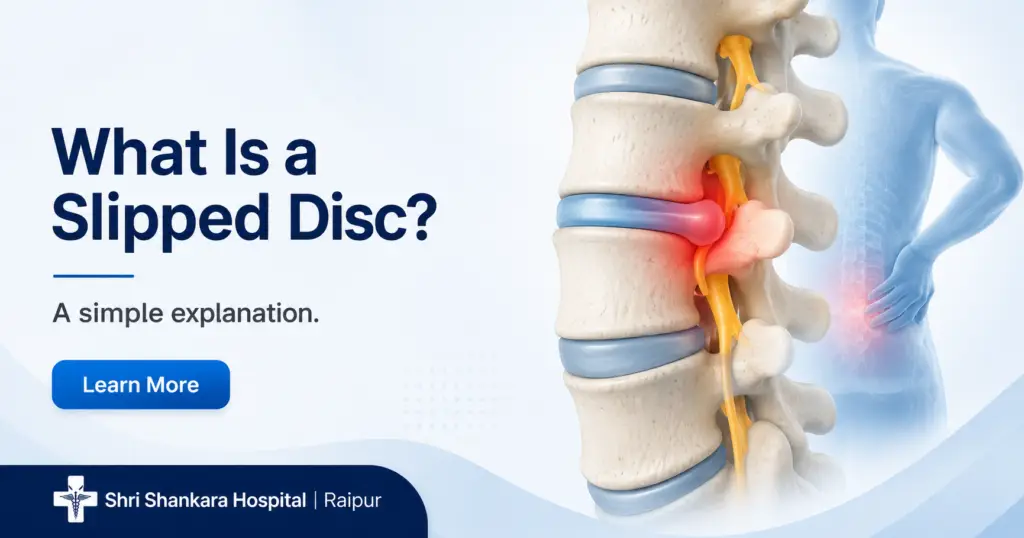
What Is a Slipped Disc? Symptoms, Causes & Treatment

What Is a Slipped Disc? Symptoms, Causes & Treatment What Is a Slipped Disc? A Plain-Language Explanation A slipped disc happens when the soft, cushion-like tissue between two of your spinal bones pushes out of its normal position, sometimes pressing on a nearby nerve. It’s a common cause of back or neck pain. Despite the name, the disc doesn’t actually “slip” out of the spine — it bulges or ruptures at one point. Understanding what’s actually happening is often the first step toward feeling less anxious about it. If you’ve been told you have a slipped disc, or you’re trying to figure out if that’s what’s causing your pain, this article explains it in plain terms. It covers what it is, why it happens, and what to do next. Understanding Your Pain: Why “Slipped Disc” Sounds Scarier Than It Is Back or neck pain that comes on suddenly, or that shoots down an arm or leg, understandably worries people. The term “slipped disc” doesn’t help — it sounds like something has come loose inside your spine. In reality, your spinal discs are firmly attached between each vertebra. What happens is that the outer layer of a disc weakens or tears, allowing the softer inner material to bulge outward. This is more accurately called a herniated or prolapsed disc. “Slipped disc” is just the common, everyday name for the same thing. “Slipped disc” is also used loosely by patients to describe a range of related findings that aren’t all identical. Doctors typically distinguish: Bulge — the disc’s outer layer weakens and the whole disc pushes outward slightly, without a clear tear. Protrusion — a more focal bulge where the inner material presses against a thinned but still-intact outer layer. Extrusion — the inner material breaks through the outer layer completely. Sequestration — a fragment of the inner material separates entirely from the disc. These represent a spectrum rather than strictly separate conditions, and the everyday term “slipped disc” is generally used to cover all of them. The distinction matters mainly for how a doctor interprets your scan alongside your symptoms, not for how you should describe your pain to them. What Actually Happens Inside the Spine Each disc in your spine has two parts: a tough outer ring and a softer, gel-like centre. A slipped disc occurs when: The outer ring develops a weak spot or small tear, often from years of gradual wear, a sudden awkward movement, or heavy lifting. The soft inner material pushes through that weak spot. If the bulge presses on a nearby spinal nerve, it can cause pain, numbness, or weakness. This travels along the path of that nerve — for example, down the leg (sciatica) if it happens in the lower back. Not every slipped disc presses on a nerve. Not every slipped disc causes noticeable symptoms at all. Many are discovered incidentally on scans done for unrelated reasons. Common Symptoms Patients Describe People experiencing a slipped disc often describe: Localised back or neck pain that may be dull or sharp Pain that radiates into an arm or leg, depending on which part of the spine is affected Numbness or tingling along the path of the affected nerve Muscle weakness in the affected limb Pain that worsens with sitting, bending, or coughing, and sometimes eases with lying down Symptoms vary a great deal from person to person. Some people have significant pain with a relatively small disc bulge. Others have a larger bulge with minimal symptoms. Neck (Cervical) vs. Lower Back (Lumbar) Slipped Discs Where the affected disc sits in your spine changes what the symptoms typically look like. A lumbar (lower back) slipped disc more often causes pain radiating down one leg, sometimes with numbness in the foot or calf — commonly described as sciatica. A cervical (neck) slipped disc more often causes pain radiating down an arm, sometimes with numbness or weakness in the hand. Both follow the same underlying mechanism described above; only the location, and therefore which nerve pathway is affected, differs. What Causes a Slipped Disc A slipped disc is rarely caused by one single event, even when it feels sudden. Common contributing factors include: Natural disc wear and reduced water content in discs as we age Repeated heavy lifting, especially with poor technique Sudden twisting movements Prolonged sitting with poor posture Excess body weight placing added load on the spine How a Slipped Disc Is Usually Confirmed If your symptoms suggest a slipped disc, a doctor will typically start with a physical examination. This checks your reflexes, muscle strength, and the specific pattern of any pain or numbness. Imaging, most often an MRI, is used to help confirm the diagnosis and show which disc is affected and how significantly. Imaging isn’t always needed straightaway for mild, short-lived symptoms. It becomes more important if symptoms persist, worsen, or come with any of the warning signs described below. At a first evaluation, expect the doctor to ask when your pain started, what makes it better or worse, and whether it radiates anywhere. They’ll check your reflexes, strength, and sensation in the relevant limb, and may ask you to move in specific ways that reproduce or ease the pain. This clinical picture, not the scan alone, is what actually guides the initial plan. Why an MRI Finding Doesn’t Tell the Whole Story It’s worth knowing that MRI findings and symptom severity don’t always match up. Research on people with no back pain at all has found disc bulges and even herniations showing up on their scans. This means a scan showing a “significant” disc finding doesn’t automatically mean severe treatment is needed, and a relatively small finding doesn’t rule out real pain. Your doctor interprets the scan together with your actual symptoms and examination, rather than treating the image on its own as the full picture. This is also why a decision about surgery is never made from a scan alone. What Helps, and What a Slipped Disc Diagnosis Actually Means for You Being told

What Is a Slipped Disc? Symptoms, Causes & Treatment Read More »